MANUFACTURING METHODS OF SYNTHETIC STONES

Understand how synthetic stones are created in the laboratory.

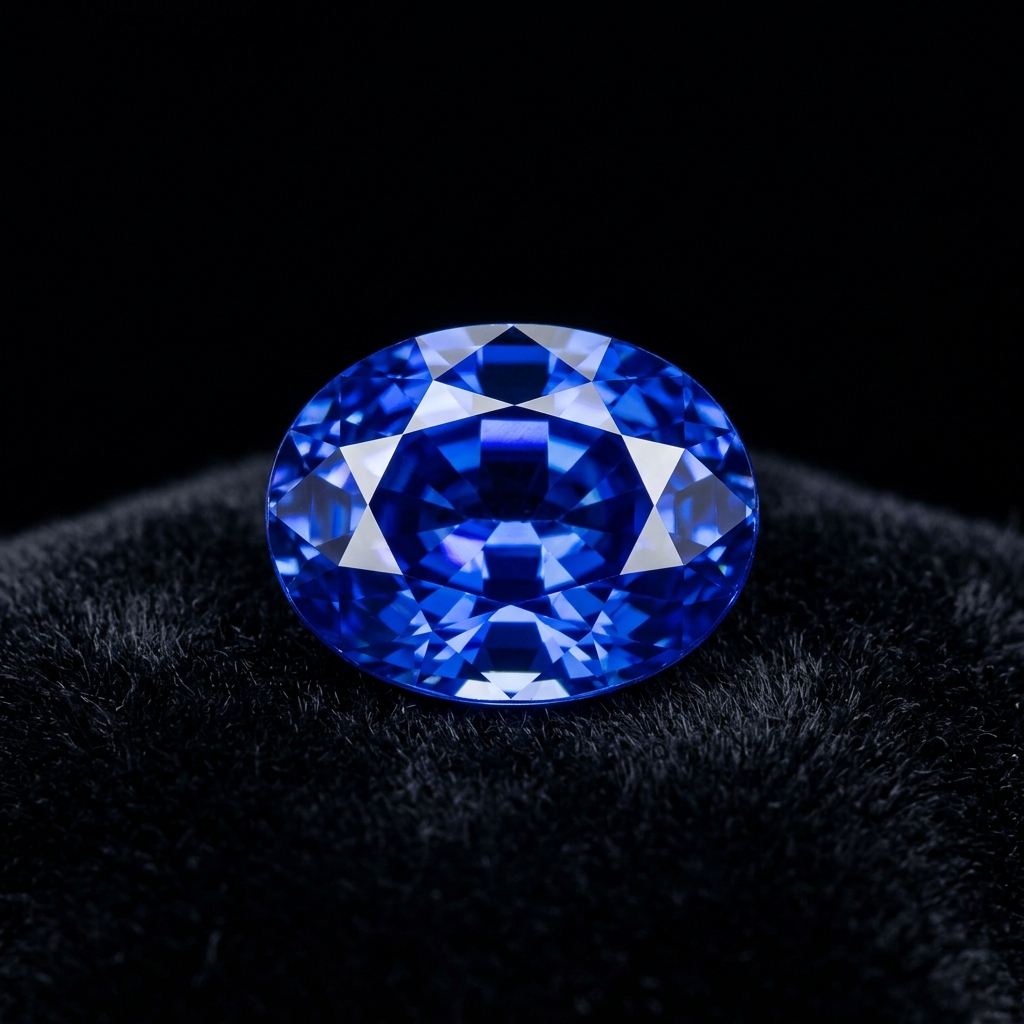
sapphire

SYNTHETIC SAPPHIRES

Synthetic sapphires have the same chemical and physical properties as natural sapphires.

Main manufacturing methods
Méthode Verneuil (Flamme fusionnée)

Oldest and most used. A crystal is slowly pulled from a molten bath at very high temperature (≈2050°C).

Méthode Czochralski (Tirage)

A crystal is pulled from a molten bath with a seed. Produces large high-quality crystals.

Méthode Flux (Growth in flux)

The crystal slowly forms in a molten flux at lower temperature. Gives excellent stones with few inclusions.

Méthode hydrothermale

Growth in an aqueous solution under high pressure and temperature (≈400–700°C). Often produces very pure crystals.

Méthodes spéciales

Star sapphires, color-change sapphires, fancy-colored sapphires: variations with specific additives.

How to identify them?
  • Growth curves (striae)
  • Gas bubbles (Verneuil)
  • Curved inclusions, chevron patterns
  • Spectroscopy and lab analysis
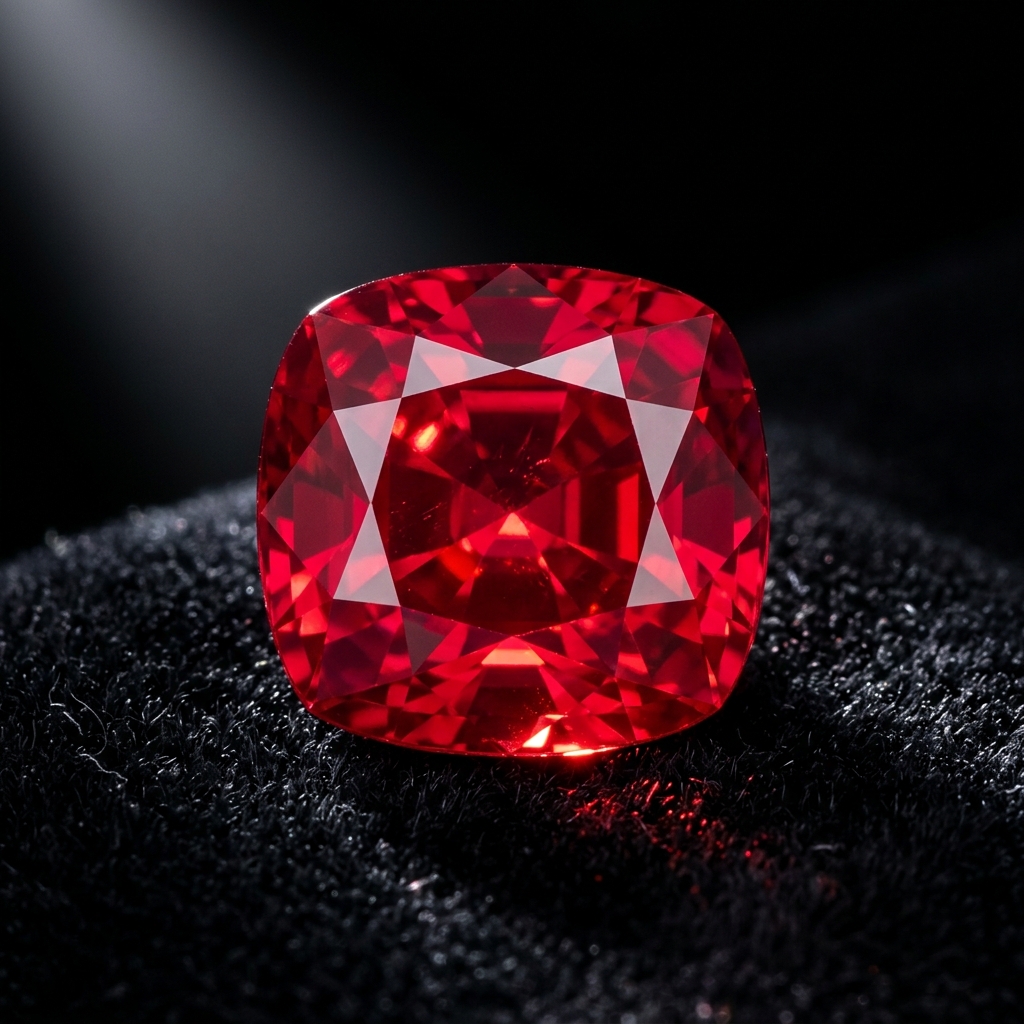
ruby

SYNTHETIC RUBIES

Synthetic rubies have the same composition (Al₂O₃ with chromium) and hardness as natural rubies.

Main manufacturing methods
Méthode Verneuil (Flamme fusionnée)

Most common method. Ruby pulled from molten bath at very high temperature (≈2050°C). Used for most synthetic rubies.

Méthode Czochralski (Tirage)

Produces large very pure crystals with a perfect crystal structure.

Méthode Flux (Growth in flux)

Ruby slowly crystallizes in a molten flux. Yields high-quality stones with very few inclusions.

Méthode hydrothermale

Growth in aqueous solution under high pressure and temperature (≈400–700°C). Often for small sizes or specialty lab rubies.

Méthodes spéciales

Star rubies, pink or orange synthetics: variations with precise control of trace elements (Cr, Fe, Ti…).

How to identify them?
  • Growth curves (striae)
  • Gas bubbles (Verneuil)
  • Chevron or platy inclusions
  • Characteristic absorption spectra
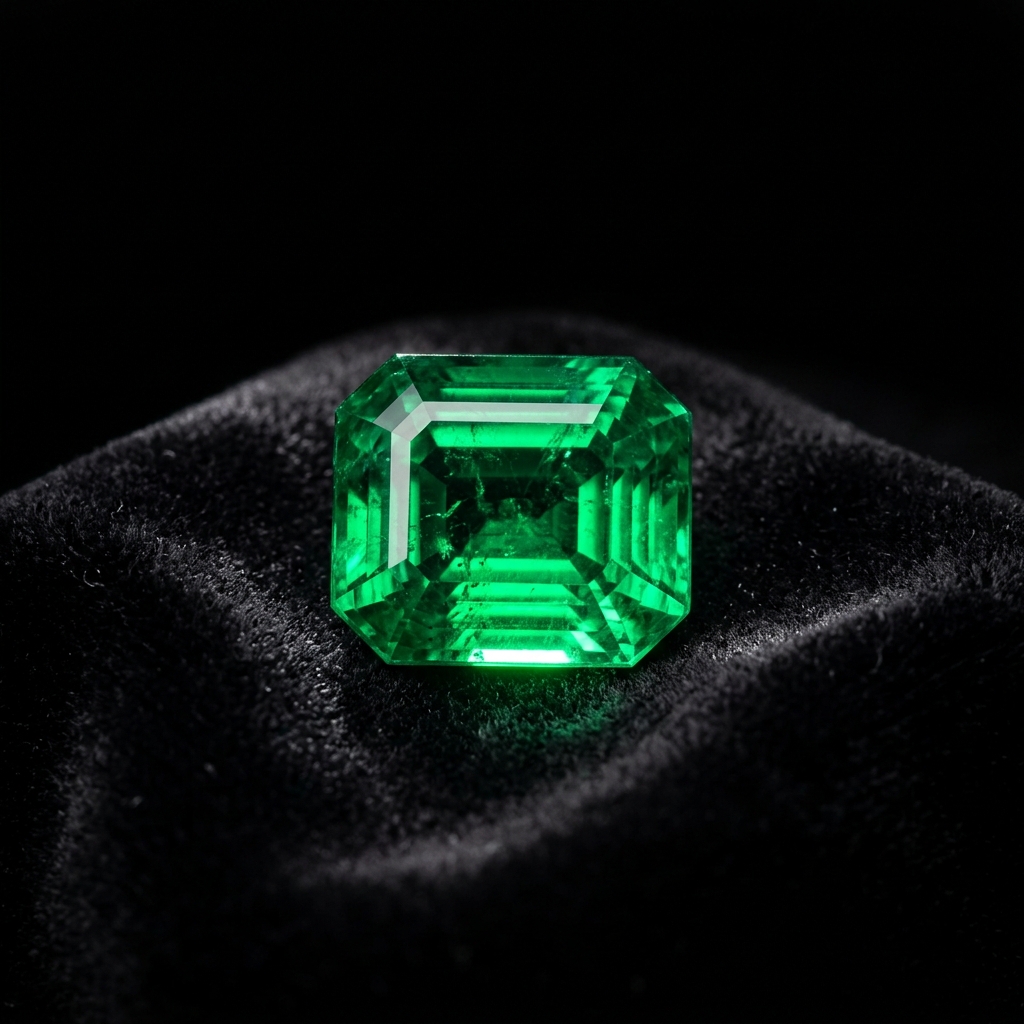
emerald

SYNTHETIC EMERALDS

Synthetic emeralds have the same composition (beryl + chromium/vanadium) as natural emeralds.

Main manufacturing methods
Méthode Flux (Growth in flux)

Historical method (e.g. Chatham, Lechleitner). Forms in molten flux at lower temperature. May leave flux residues.

Méthode hydrothermale

Most used modern method. Growth in aqueous solution under high pressure/temperature.

Croissance sur plaque de germe

A thin synthetic beryl plate serves as base for growth. Can produce very clear large crystals.

Synthèse en chambre hydrothermale (haute pression)

Modern variants with controlled high pressure to improve quality and color.

Méthodes spéciales

Enhanced synthetic emeralds by controlled impregnation, doped with Cr/V for characteristic green.

How to identify them?
  • Curved 'fingerprint' inclusions
  • Salt or residual flux crystals
  • Liquid bubbles (hydrothermal)
  • Spectroscopy and lab analysis
Laboratory analysis

Essential to distinguish natural stones from synthetics.

Certificate recommended

Always request a certificate (IGI, GIA, Gübelin, SSEF...).

Same appearance

Synthetics can be visually identical to naturals.

Different value

Synthetic stones have a much lower value than naturals.

Access all complete information and detailed pricing after subscribing to Gem Price.

Install GEM PRICE
Add the app to your home screen for 1-tap access, even offline.